
Last updated
What does OSHA actually require for handwashing on a job site?
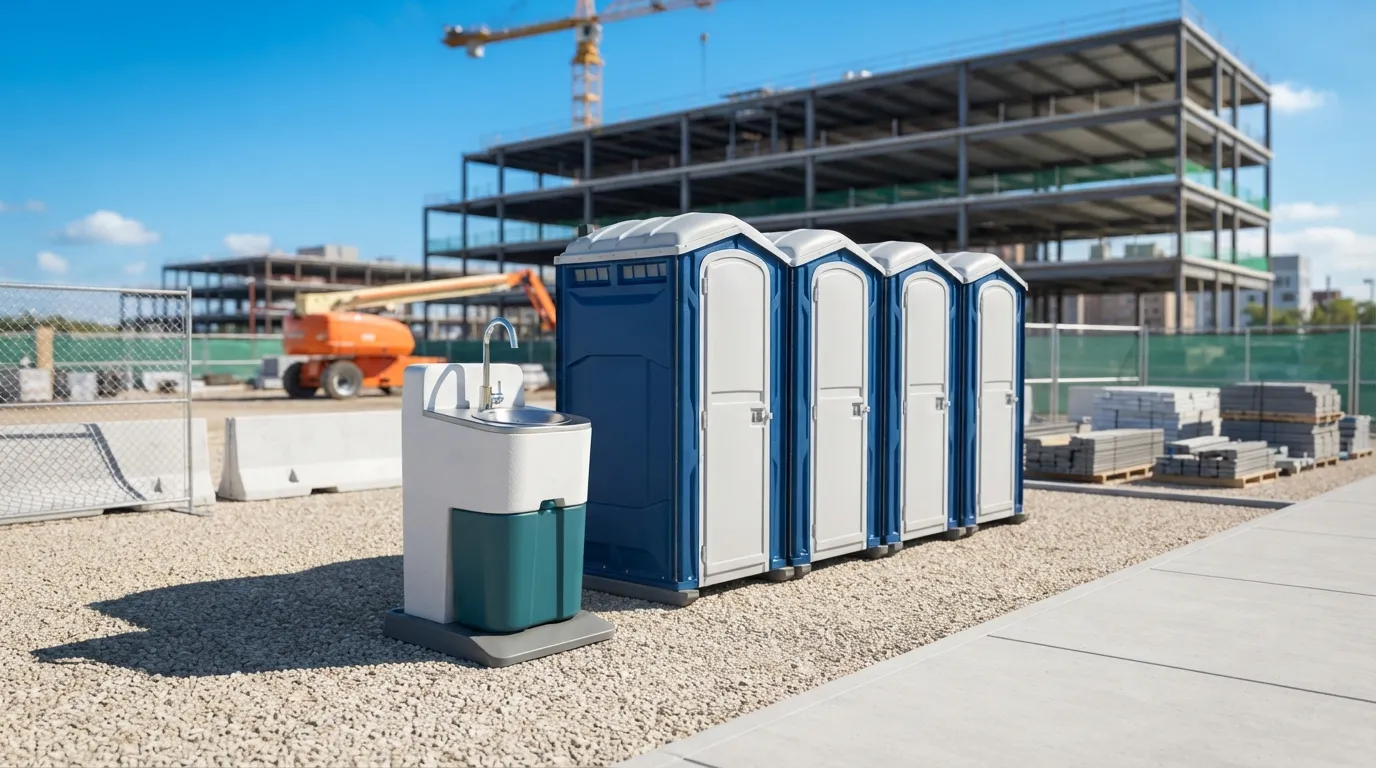
The rule people misquote most is 1926.51(f)(1). It does not apply to every construction site blanket-style. It kicks in specifically where workers are applying paints, coatings, herbicides or insecticides, or handling other contaminants that could land on skin. If your crew in Laredo is spraying stucco sealant or treating a lot for weeds before a build, that section applies and you need washing facilities on hand, not just portable toilets. Separately, 29 CFR 1910.141(d)(2) governs general industry washing facilities and is explicit: soap and towels or a hand-drying device, not a bottle of gel. That distinction matters when a city inspector or a safety officer walks a site and asks what's actually satisfying the requirement. Toilet counts themselves run under a different rule, OSHA 1926.51(c), which sets ratios by crew size. A handwashing station rental paired with your porta john rental covers both angles at once, and most contractors in Laredo order them together rather than trying to retrofit later. If you're unsure which rule applies to your crew, our OSHA Portable Toilet Requirements page breaks down the toilet-count side in detail.
How many handwashing stations does a Laredo site need?
There's no fixed unit-per-worker count for handwashing the way there is for toilets, but ANSI/PSAI Z4.3 sets a baseline service interval of once weekly for up to 10 users across a 40 hour week, and that's a reasonable planning number for how often a station gets serviced once it's placed. Most crews put one station near the standard porta potty rental cluster and another near a paint or chemical mixing area if that work is happening. Agricultural operations in the region should also look at OSHA 1928.110, which sets field sanitation rules for hand-labor employees: potable water, toilets, and handwashing within a quarter mile walk, at one facility per 20 workers. If your operation is a farm or ranch job outside Laredo proper, our Farm and Agricultural Restrooms page and Camping Porta Potty page cover similar remote-placement logic. Potable water itself is a separate requirement too, under OSHA 1926.51(a)(1), and a self-contained handwashing unit satisfies both the water supply and the washing facility at once.
Where should handwashing stations go on site?
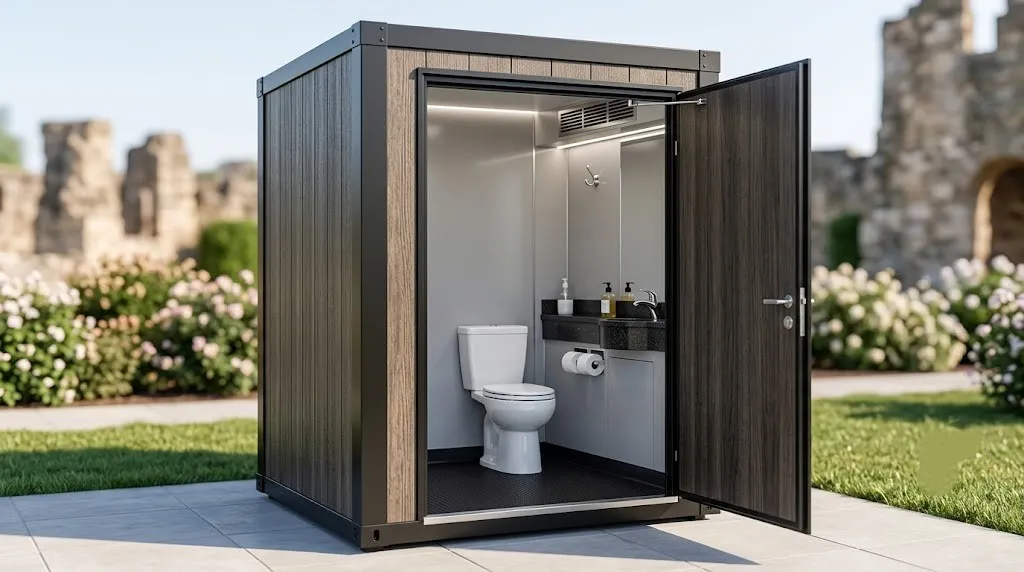
Placement drives whether a station actually gets used. Put it too far from the work, and crews skip it. Laredo Porta Pros generally recommends placing a station within a short walk of both the restroom cluster and any chemical handling area, similar to the logic in our porta potty placement guide. If the job includes accessible units, remember ADA Standards section 213.2 requires at least 5 percent of clustered single-user toilets to be accessible, never fewer than one, and the same accessible-route thinking applies to handwashing: a 36 inch clear path per ADA Standards section 403.5.1 and a 60 inch turning circle under ADA Standards section 304.3.1 keep the whole cluster usable. Our ADA accessible porta potty page and ADA restroom requirements guide go deeper on those dimensions. For event work in Laredo, whether it's a wedding restroom rental, a festival restroom rental, or a county fair restrooms setup, handwashing stations near food service areas aren't optional in most vendors' minds even where no inspector requires it directly.
Do I need handwashing stations if I already have a restroom trailer?
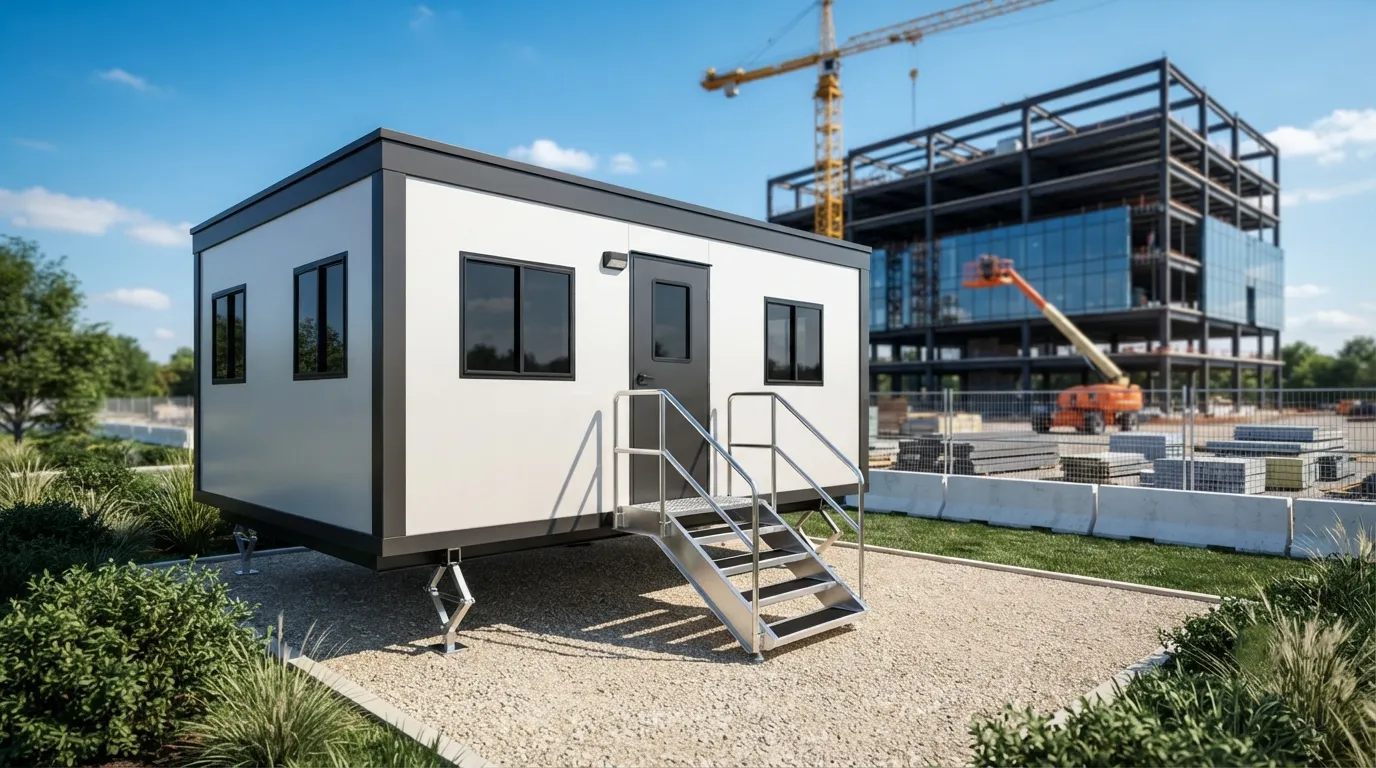
Restroom trailers, like the ones on our restroom trailer rental and 2 stall restroom trailer pages, come with built-in sinks, so a standalone station usually isn't needed for restroom use alone. But if the site also has painting, coating, or pesticide work happening away from the trailer, 1926.51(f)(1) still calls for washing facilities near that specific task. A construction site running a luxury restroom trailer for office staff but doing exterior coating work on the far end of the lot still needs a separate station near the coating crew. This comes up often on construction site services jobs in Laredo where the trailer sits by the trailer office and the actual dirty work is a few hundred feet away.
How much does a handwashing station rental cost in Laredo?
Pricing depends on unit type and rental length; check our handwashing station rental page for current options. Many contractors bundle it with a standard porta potty rental or a portable sink rental order to save a delivery trip, since delivery fees apply per visit regardless of what's on the truck.
Does hand sanitizer count as a handwashing station under OSHA?
No. 29 CFR 1910.141(d)(2) requires soap and towels or a hand-drying device. Sanitizer stations, covered on our hand sanitizer station rental page, are a fine supplement near entrances or food areas, but they don't replace a compliant washing facility where the rule applies.
Do I need a permit for a handwashing station in Laredo?
Placement in the public right of way needs confirming with the city; check current rules before setting units at the curb. Our porta potty permit requirements page covers what to ask about, and dumpster permit requirements is worth a look if you're placing waste equipment on the same site.
Can one handwashing station serve multiple porta potties?
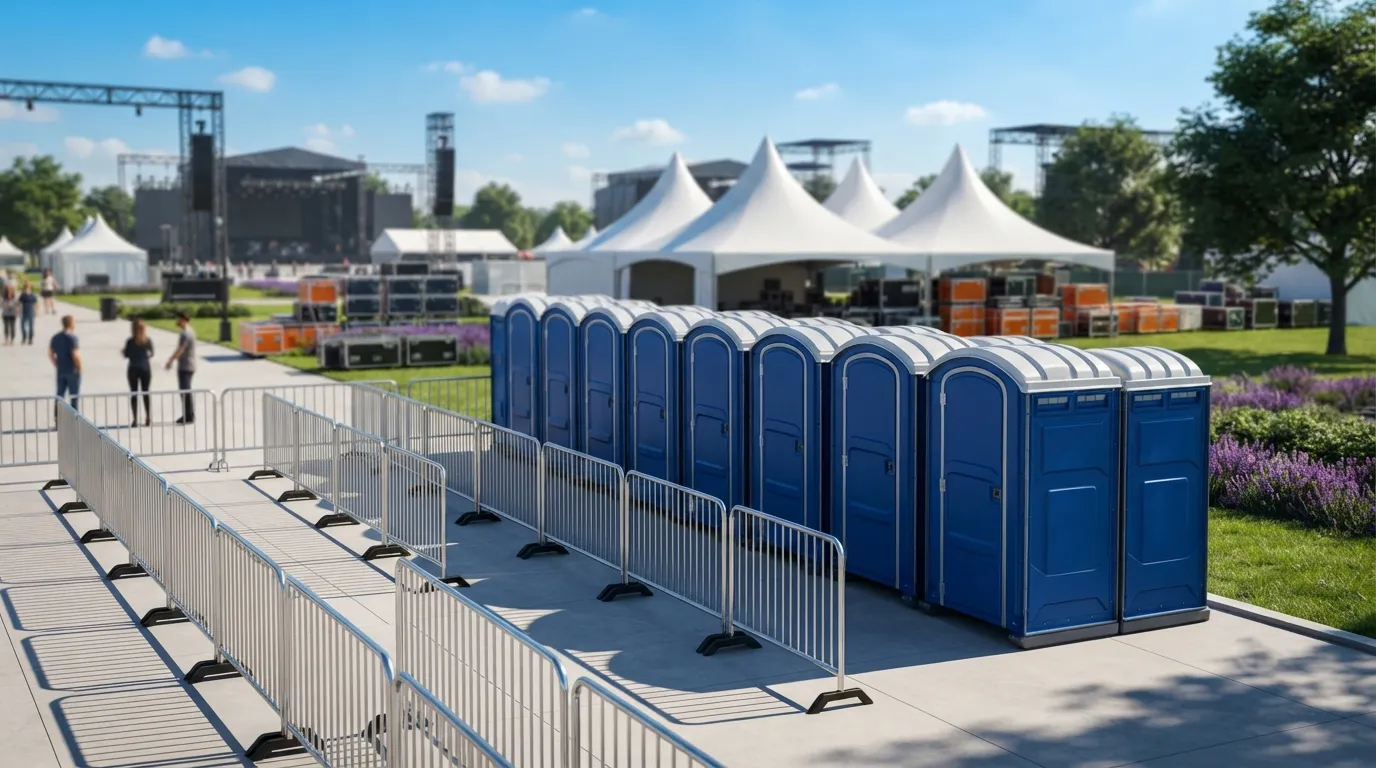
Usually yes, if it sits close enough that crews actually walk to it. Groups near a portable restroom rental cluster of 4 to 6 units typically share one station. Spread units across a bigger lot, like an 8-acre site, and you'll want more than one.
What's required for grease trap or septic work handwashing?
Crews pumping a grease trap, covered on our grease trap pumping page, are handling waste directly and should have washing facilities on hand per 1910.141(d)(2). The same applies to septic pumping service crews working a Laredo residential tank.
Next step
Get a delivery date
Tell us the address, the dates and the headcount. We size the order and confirm the route.